Your Guide to Your First Guided Fly Fishing Trip with Gone Fishing Colorado
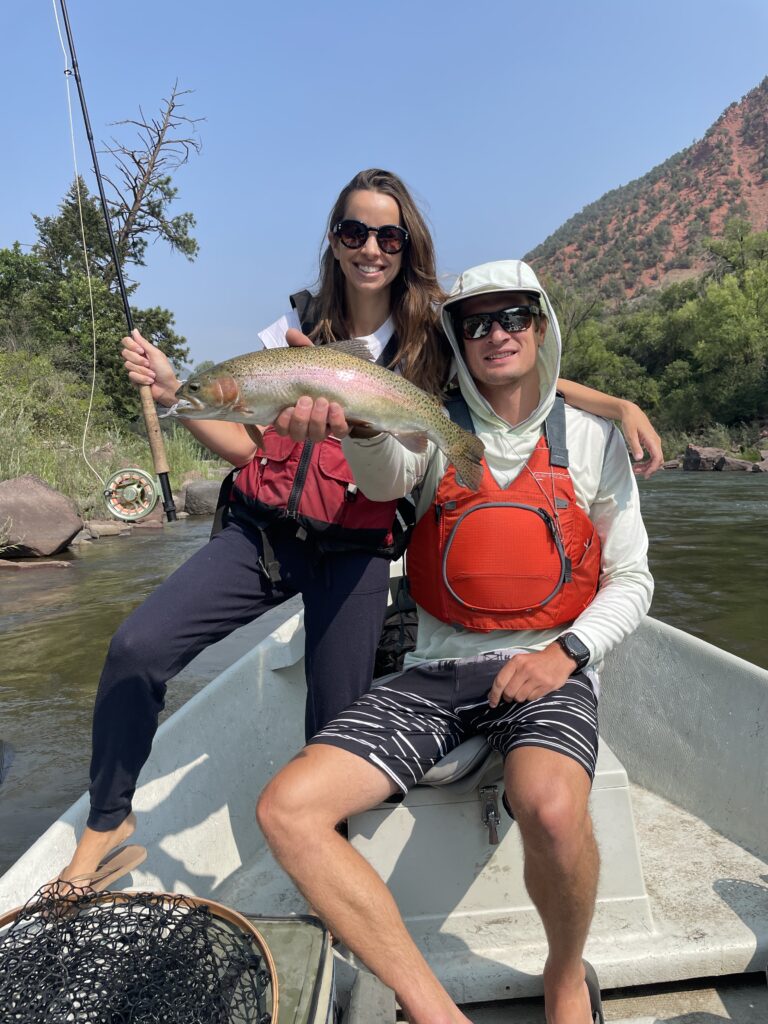
The Roaring Fork Valley has a way of making you feel like you should already know how to fly fish. Aspen sits up the road. The water runs clear over the cobble, and you can see fifteen feet down. The trout are wild, well-fed, and not in the mood to be fooled by a sloppy drift. None of that means you’re not ready for a guided fly fishing trip. It just means you should fish it with someone who already knows it. Gone Fishing Colorado has spent more than a decade guiding the Roaring Fork, the Fryingpan, and the Crystal River out of Basalt. These aren’t guides who learned the water for a season and moved on. They fish these rivers on their days off, which is a different kind of knowledge than the kind you get from a map or a hatch chart. That’s what you’re paying for on a guided day, and it shows up in how many fish you actually see. Most people picture a guided trip as something formal, with gear checklists and stern instructions. It isn’t. Here’s what actually happens. The Meetup What happens when you first arrive for your trip? You’ll book a wade trip or a float trip, half day or full day, depending on what you’re after and who’s coming with you. Your guide meets you, gets you geared up, and talks through the day’s plan. If you’ve got a specific goal, your first trout on a dry fly, a shot at the technical water on the Fryingpan, a canyon float on the Roaring Fork, say so early. The day gets built around it. Gear and Casting What do you need to bring, and what’s already covered? Rods, reels, waders, boots, and flies are all included. Bring your Colorado fishing license, clothing for the conditions, and nothing else if you don’t want to. If you’ve already got a setup you like fishing with, bring that instead. Your guide will work with whatever you show up with, and if you need a refresher on the cast before you step into the water, that happens first. On the Water How does a guide help you catch more fish once you’re out there? This is where the local knowledge earns its keep. Your guide reads the run in front of you: current, depth, where the fish are likely holding that day, what’s coming off the water. They’ll position you, call your cast, and coach the drift until it’s right. New anglers skip the trial and error most people spend a season working through. Experienced anglers pick up the kind of specific, current information, what’s hatching on the Fryingpan this week, how the Roaring Fork is fishing after last week’s rain, that doesn’t show up in a report. Either way, you leave knowing more about why the fish were where they were than you did that morning. For the Beginner: What to Expect What should a first-time fly fisher not worry about? If you’ve never picked up a fly rod, the list of things you think you need to know can feel long. Most of it isn’t your job. Your cast doesn’t need to look good. It needs to land where your guide tells you to, and they’ll get you there fast. Fly selection is handled. You’re not expected to show up with answers, you’re there to fish with people who already have them. Wade trips in particular are built for this: you’re moving at your own pace, working one run at a time, with your guide right next to you the whole day. Nobody on this river is keeping score. For the Experienced Angler: Why a Guide Still Makes Sense Why do seasoned anglers still book a guided trip? Some anglers who’ve put in years on the water hesitate to book a guide. It can feel like an admission that you need the help. That’s not what it’s about. It’s about efficiency. A guide gets you onto water and into technique you’d otherwise spend days finding on your own, current intel on what’s producing, where the fish are holding this week, and a boat seat on stretches of the Roaring Fork canyon you can’t easily reach on foot. You could figure a lot of that out yourself over a few days of trial and error. Or you could have it working for you by the second run of the morning. If you want to fish the Fryingpan‘s technical water, the Crystal River, or run a canyon float on the Roaring Fork the right way, fishing it with a guide who’s on that water constantly is the fastest way to actually learn it, not just experience it once. What to Bring What do you actually need to pack for the day? Everything for fishing is provided. That leaves a short list on your end: If you’ve got your own rod, reel, or waders you’d rather fish with, bring them. Guides here are happy to work with your setup. First trip in waders or fiftieth day on this water, you’re going to leave the Roaring Fork Valley with something you didn’t show up with. That’s the point of a guided day, and this water, the Fryingpan, the Roaring Fork, the Crystal, is worth fishing seriously. Book your trip with Gone Fishing Colorado at gonefishingcolorado.com, or reach the team at GoneFishingGuides@gmail.com or 970-948-4663.