The Roaring Fork Valley doesn’t show up on every angler’s radar the way some Colorado destinations do, and honestly, the people who fish here regularly are fine with that. What this valley offers is something genuinely special: multiple distinct river systems within a short drive of each other, healthy wild trout populations, diverse and reliable hatch activity through most of the year, and the kind of scenery that makes a slow day of fishing feel like anything but. Whether you’re chasing rising fish on a dry fly or swinging streamers through a deep run, the water here rewards anglers who pay attention and fish with intention. Our guides have spent years learning every bend, seam, and drop-off on these rivers, and putting clients onto fish is what we do every single day.
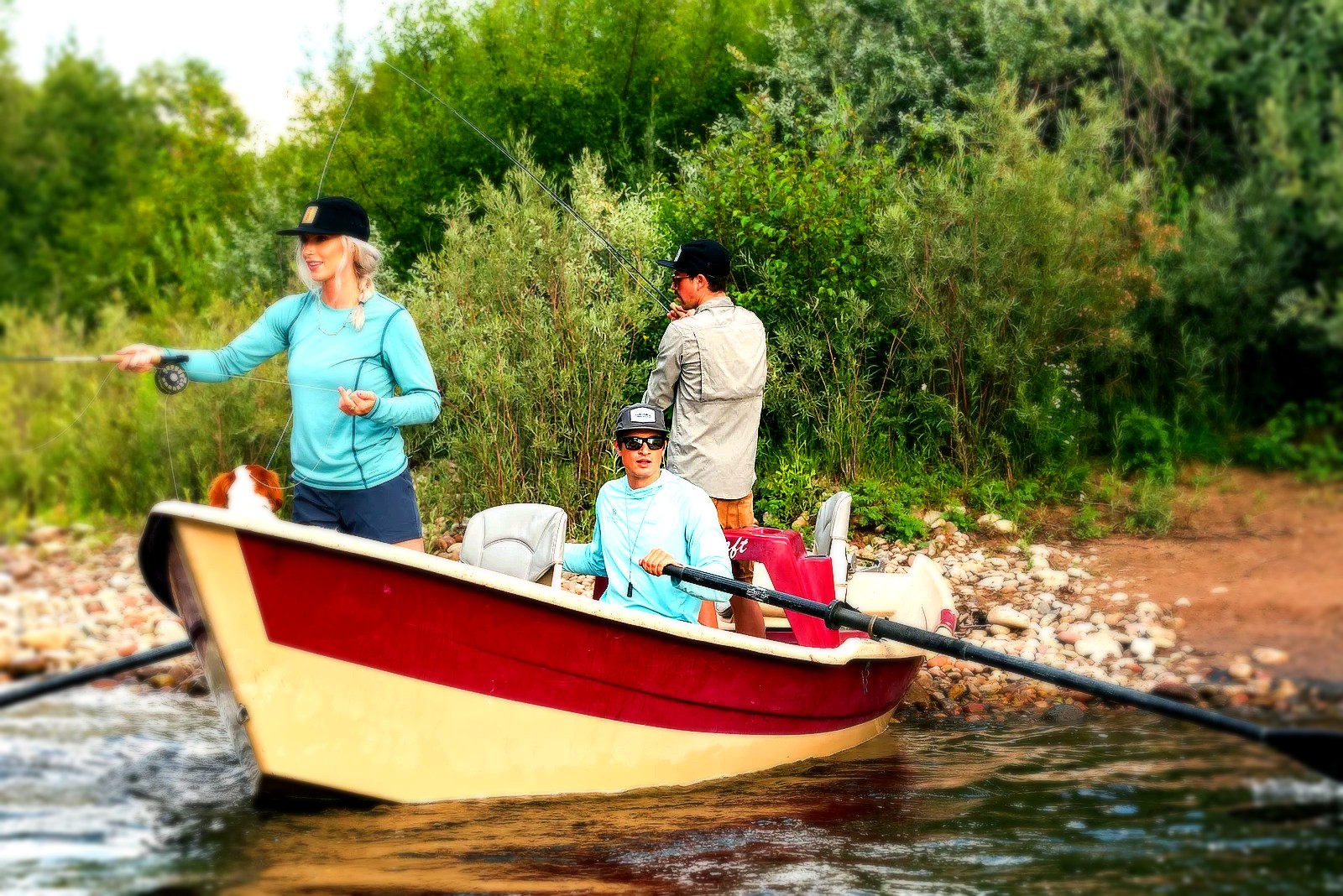
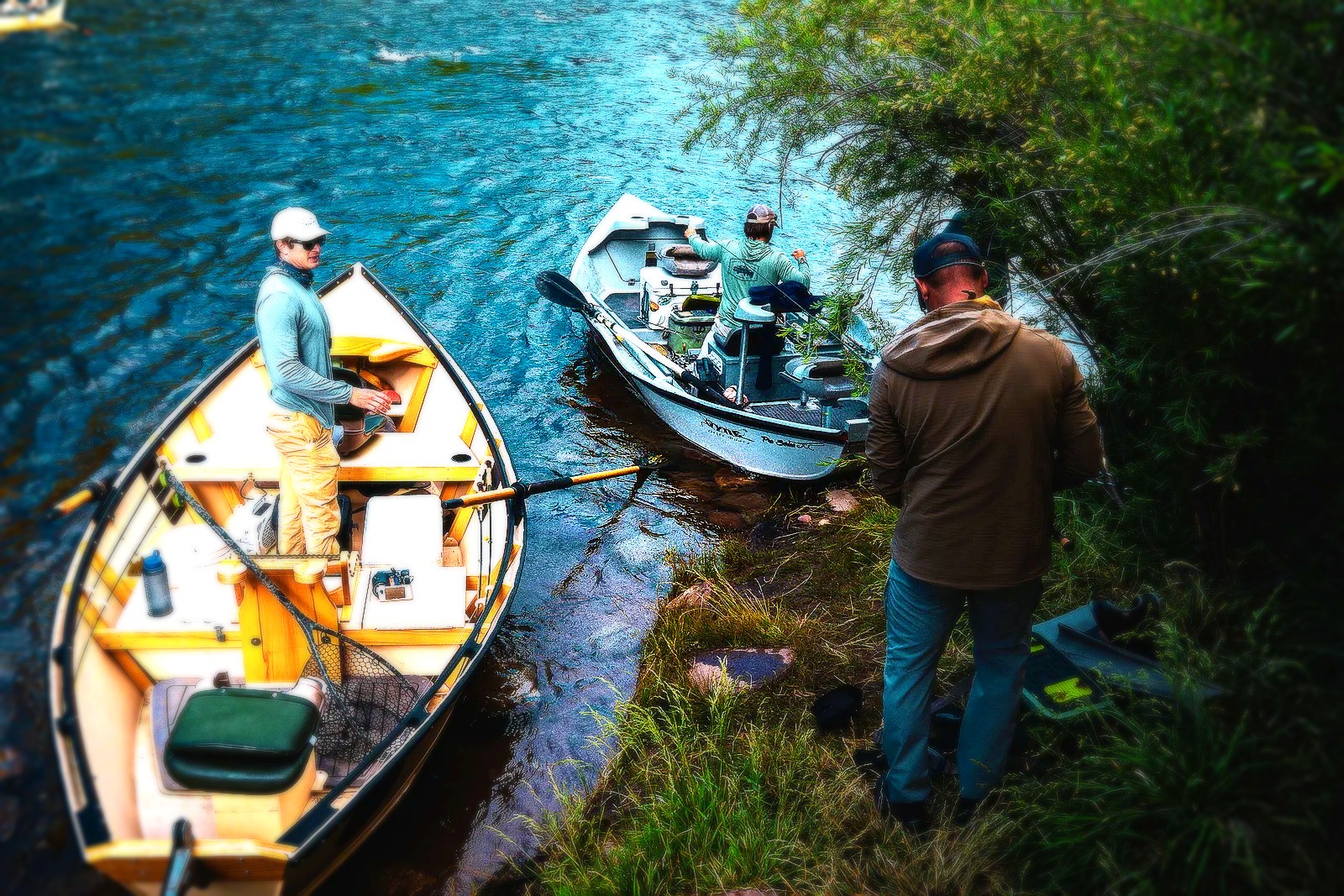
We fish in some of Colorado’s most iconic trout waters, each offering a unique experience on the river. From the wide, float-friendly runs of the Roaring Fork River to the technical, crystal-clear challenges of the Fryingpan, and the quiet, intimate stretches of the Crystal River, every destination has its own character. Whether you’re drifting through productive canyon water, targeting selective trout with precision, or exploring smaller, secluded streams, our home waters provide exceptional opportunities for anglers of all levels to enjoy unforgettable fly fishing experiences.
The Roaring Fork is our home water in every sense of the phrase. It runs roughly 70 miles from its headwaters near Aspen down to its confluence with the Colorado River in Glenwood Springs, and the lower stretch between Basalt and Glenwood is where we spend most of our time. This section of the river opens up into wide runs, deep pools, and long canyon stretches that hold a strong population of wild brown and rainbow trout. It’s ideally suited for float fishing, giving you access to water that wade fishermen rarely reach, including undercut banks where the biggest browns in the system spend most of their time. Wade fishing is available on accessible sections as well, and can be especially productive during peak hatch periods when fish are visibly rising and you want to slow down and work specific fish.
The Fryingpan is a Gold Medal tailwater fishery flowing out of Ruedi Reservoir near Basalt, and it is one of the finest wild trout streams in the country. The trout density and average fish size here are genuinely remarkable. What makes the Pan both unique and challenging is the nature of the fish themselves. Cold, clear, heavily oxygenated water year round produces trout that are well-fed, selective, and unforgiving of sloppy presentations. These are fish that will refuse a fly tied on the wrong hook size. Fine tippet, accurate drifts, and a close match to whatever is hatching are not suggestions here, they’re requirements. That level of challenge is also exactly what makes a great day on the Fryingpan so satisfying. Our guides know this river intimately and will put you in the right position to make it happen.
The Crystal River is the quieter option in our rotation, a smaller freestone stream flowing out of the Elk Mountains near Marble that joins the Roaring Fork just south of Carbondale. It fishes with a more intimate feel than the larger rivers, tight casting lanes, pocket water, and plunge pools that reward short, precise presentations over distance. The Crystal holds good populations of brown and rainbow trout and tends to fish best in the shoulder seasons when flows are manageable and angler pressure is minimal. It’s a great choice for clients who want a more secluded experience or enjoy the challenge of picking apart small water to find where fish are holding.
Brown trout are the most abundant species in the Roaring Fork system and the fish our clients connect with most often. They’re opportunistic feeders that will eat dries, nymphs, and streamers depending on the time of year, but they’re also intelligent fish that hold in the most protected lies in the river and require a thoughtful approach. Fall is a standout time for browns, as dropping water temperatures pull large fish out of their summer holding water and into the shallows where they become significantly more aggressive heading into spawning season.
Rainbow trout share the system with browns and favor faster, more oxygenated water. They’re strong, acrobatic fighters that make an impression on anglers of all experience levels, and the Fryingpan in particular holds a remarkable population of large, well-conditioned rainbows that are as selective as any trout you’ll find in Colorado.
Colorado cutthroat trout, the state’s native species, are present in the upper reaches of several drainages in the watershed. While they’re not the primary target on most guided trips, fishing for native cutthroats in their natural high-country habitat is an experience worth seeking out for the right angler and something we’re happy to build a trip around on request.
Float fishing from a drift boat or raft is the best way to experience the Roaring Fork and cover the kind of water that most anglers never reach. While your guide works the oars, you focus entirely on fishing, making presentations to rising fish, working nymphs through deep runs, or throwing streamers tight to undercut banks where the biggest browns in the system like to sit. Covering miles of river in a single day means more variety, more opportunities, and access to stretches of the canyon that wade fishermen simply can’t get to. It’s also a genuinely beautiful way to spend a day. The Roaring Fork canyon has a way of making everything else feel very far away. Float trips are available for all experience levels and our guides will coach technique, rigging, and presentation throughout the day.
Wade fishing is a more deliberate, hands-on way to engage with the river. You’re in the water, moving at your own pace, reading structure, picking apart seams, and working specific fish rather than covering water. It rewards patience and precision and tends to appeal to anglers who want to slow down and really connect with what’s happening in front of them. Our wade trips work especially well on the Fryingpan and Crystal River, where tight quarters and technical fish call for a more focused approach. We also wade fish accessible sections of the Roaring Fork during peak hatch periods when rising fish are visible and the best move is to plant your feet and make a good cast count.
Regardless of whether you’re floating or wading, we fish whatever technique gives you the best shot at a great day. Nymphing is the most consistently productive method on these rivers across all seasons. Trout feed subsurface the vast majority of the time, and a well-presented nymph drifted through the right seam accounts for the bulk of fish caught on any given day. Our guides fish both traditional indicator rigs and tight-line nymphing setups depending on the water type and conditions, and if you’re new to the technique, there’s no better way to develop your drift than having an experienced set of eyes watching it with you in real time.
Timing your trip can shape the entire experience on the water, and part of what makes this region so special is that it offers something unique throughout the year. Spring brings renewal to the rivers. As flows begin to rise with snowmelt, fish become active and opportunistic. Early in the season, before peak runoff, anglers can find excellent conditions with fewer crowds and consistent action.
Spring means runoff on the main stem rivers, with high, off-color water through much of May and into June. The Fryingpan fishes beautifully through all of it thanks to regulated flows from the reservoir, and early season Blue Winged Olive hatches on cold overcast days can produce some of the best dry fly fishing of the entire year.
Summer is prime time on the Roaring Fork. Flows stabilize, water temperatures are ideal, and Caddis, Pale Morning Duns, and attractor dry flies all produce well throughout the season. This is also the busiest time of year, so booking ahead is important. Long days mean more time on the water and the full float from top to bottom is at its best during this window.
Fall is the favorite season for a lot of experienced anglers on these rivers, and for good reason. Pressure drops sharply after Labor Day, the canyon walls turn gold, and the brown trout go into pre-spawn mode, moving shallow and feeding aggressively.
Winter fishing rewards the anglers willing to put on the extra layers. Midge hatches on both the Roaring Fork and the Fryingpan bring fish to the surface on warmer afternoons, nymphing stays productive throughout, and angler pressure is at its lowest point of the year.
Whether it’s your first time fly fishing or you’ve been at it for years, we have a trip that fits. Our guides are ready to take you to water that will make an impression and put in the work to make sure your day is worth every minute.